
Are We Becoming Dependent on AI? A Silent Addiction Explained
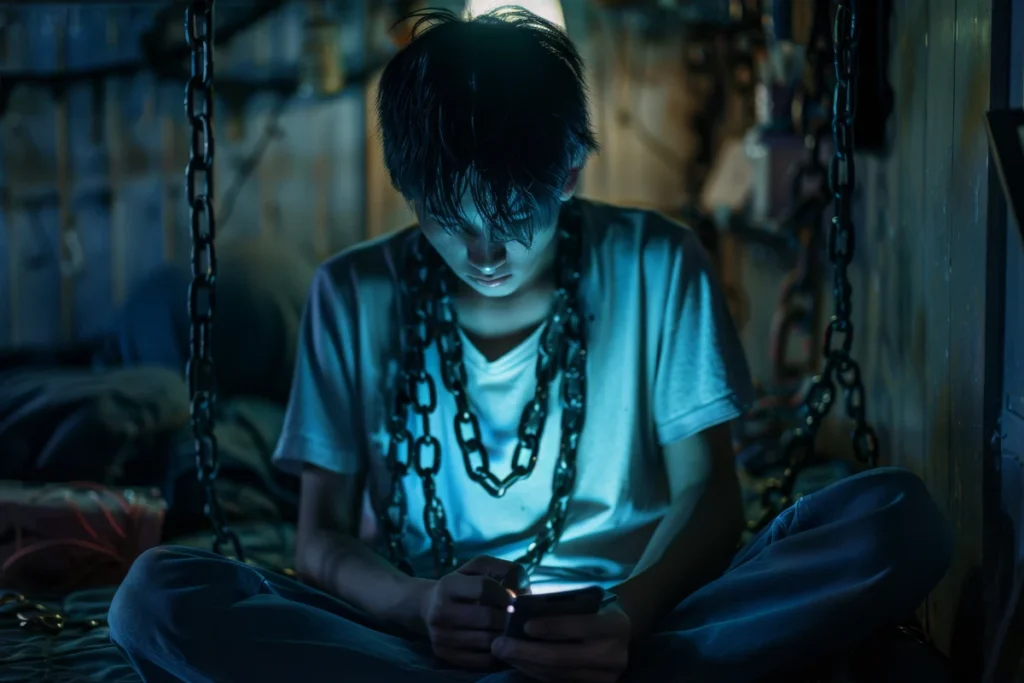
AI was supposed to make our lives easier by helping us work faster and think smarter. And in many ways, it has. From fixing our texts to suggesting what we should watch or buy, AI has become a normal part of our day.But we need to ask ourselves something important:
Are we getting too used to AI – to the point where it’s becoming a quiet habit?
Unlike being hooked on social media or games, depending on AI doesn’t seem so bad. It feels like we’re being productive and smart, which is what makes it so tempting and risky.
The Growth of Help We Don't Even See
Most people don’t plan to depend on AI. It just happens.
We’re using AI when:
- Google finishes our sentences.
- Maps tell us where to go.
- Streaming services pick what we watch.
- Grammarly fixes our writing.
- Chatbots answer our questions.
- AI tools make code, designs, and posts.
These things make our lives easier. They save us time and effort, and people naturally like doing things the easy way.
The problem isn’t that AI is there to help.
It’s that we slowly lose the habit of thinking for ourselves.
When Easy Becomes a Need
Needing AI starts when it goes from helping us think to doing the thinking for us.
Ask yourself:
- Is it hard to write without AI’s help?
- Do you freak out when AI tools aren’t available?
- Do you just believe what AI tells you without questioning it?
- Do you feel slower or less skilled without AI?
This isn’t about being lazy. It’s about getting used to something.
The more AI does for us, the less we practice doing things ourselves. Our confidence drops over time, not because we can’t do it, but because we stop practicing.
Like muscles getting weak when we don’t use them, our thinking skills get weak when we don’t practice.
Why We Start Depending on AI
Depending on AI works like any other habit, but it’s disguised better.
1. Quick Wins
AI gives us answers fast, which makes us feel good. No struggle, no waiting, just results.
2. Less Thinking
Our brains like saving energy. AI makes us think less, so we use it even when we don’t need to.
3. Believing AI
AI often sounds sure of itself, so we think it’s right, even when it’s not.
4. Fear of Being Left Out
As more people use AI, others worry they’ll be left behind if they don’t use it too. This speeds up how quickly people depend on it.
It creates a cycle:
Need → AI → Relief → Repeat
And because depending on AI seems to make us more productive, we rarely question it.
Skills We're Slowly Losing
Unlike obvious habits, AI doesn’t kill productivity. It just changes it.
But quietly, we’re losing some human skills:
- Thinking Critically: Why bother thinking deeply when AI can summarize things for us?
- Solving Problems: Why struggle when AI can just give us the answers?
- Being Creative: Why try new things when AI can make options for us instantly?
- Remembering Things: Why remember anything when we can just search for it?
- Being Patient: Why wait when AI gives us answers right away?
These skills don’t disappear overnight. They fade away bit by bit.
Is AI Making Us Smarter, or Just Faster?
This is what we really need to ask.
AI makes us faster at creating things.
But faster doesn’t always mean smarter.
Someone using AI without understanding it might make:
- Code they can’t fix.
- Articles they can’t explain.
- Designs they can’t recreate.
- Decisions they can’t back up.
Being smart isn’t just about making stuff; it’s about understanding it.
If we’re not careful, AI can turn us into just users instead of thinkers.
There's a Difference Between Using AI and Needing AI
AI isn’t the bad guy, but blindly needing it is.
Using AI in a healthy way means:
- Letting AI help, not decide.
- Questioning what AI tells you.
- Learning why an answer is right.
- Using AI as a helper, not a support we can’t live without.
Needing AI in an unhealthy way means:
- Copying and pasting without understanding.
- Avoiding tasks that make you think.
- Feeling lost without AI.
- Trusting AI more than yourself.
The difference is small but important.
The Real World: A Bad Shortcut
In workplaces, people are depending on AI more and more.
Employees use AI to:
- Write emails.
- Make reports.
- Create presentations.
- Fix tech problems.
This makes them more productive but hides what they can’t do.
When AI is taken away, some workers struggle to do simple tasks on their own. Over time, companies might accidentally hire people who can only do their jobs with AI, instead of skilled workers.
The worry isn’t losing jobs to AI.
It’s losing skills while looking like we know what we’re doing.
Are Students More at Risk?
Yes, especially those just starting out.
Students who use AI too much from the beginning might:
- Not learn the basics.
- Avoid struggling (which is how we really learn).
- Lose faith in their own skills.
- Only understand things on the surface.
AI can help students learn, but only if they try to solve the problem themselves first.
Struggling isn’t a bad thing in learning. It’s how we learn.
How to Stop the Quiet Habit
You don’t have to stop using AI. You just need to take back control.
1. Think First, Then Use AI
Try to do the task yourself before asking AI.
2. Ask Why? Not Just What?
Use AI’s explanations to understand things better, not just to get the answer.
3. Use AI Less Without Thinking
Don’t let AI automatically do everything. Be active about it.
4. Practice Without AI
Now and then, work without AI to keep your skills sharp.
5. See AI as a Tool, Not the Expert
AI can be wrong. You’re the one responsible for making decisions.
The Future Needs Balance
AI is here to stay. Trying to fight it is pointless. But worshiping it is not a good idea.
The future belongs to people who can:
- Think for themselves.
- Use AI smartly.
- Mix human thinking with what machines can do.
Needing AI makes us weaker.
Working together makes us stronger.
In Conclusion
Depending on AI doesn’t feel like an obsession.
It feels like comfort.
It feels helpful.
It feels smart.
It feels harmless.
Until we realize we’ve let AI do too much of our thinking for us.
Use AI, but don’t let it take over your mind.
Because the most amazing intelligence is still human.