
Most People Trust AI Without Understanding How Dangerous That Can Be
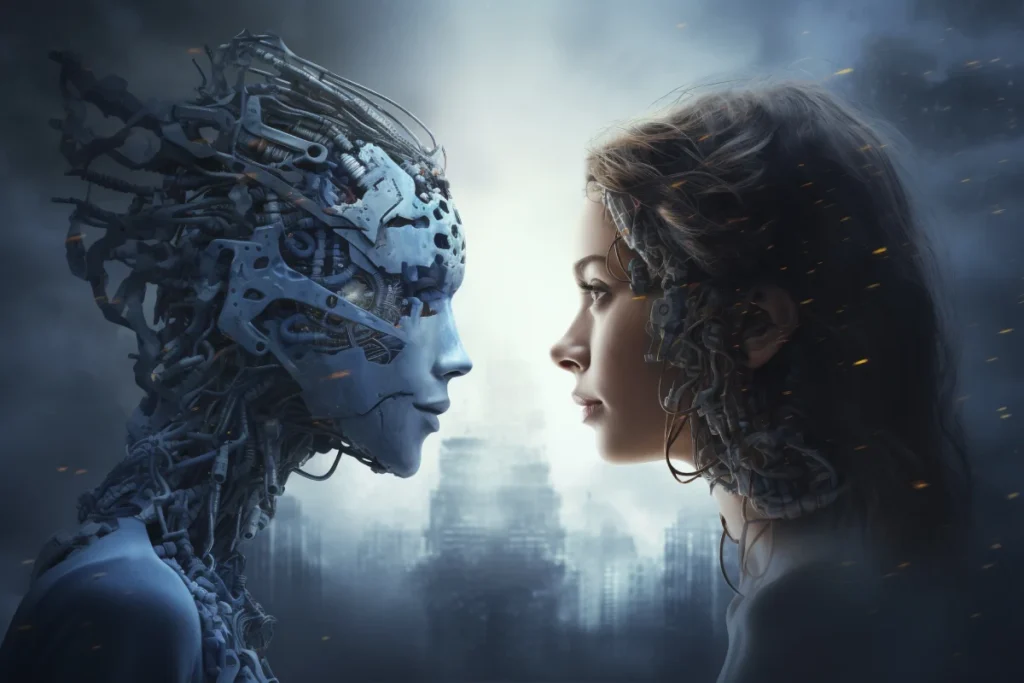
AI is popping up everywhere faster than we thought. People are asking it for advice on everything – what to study, eat, code, invest in, even big life choices. And most of the time, they just take the answers without a second thought.
That’s where the worry starts. AI can do a lot, and it’s pretty useful, but blindly trusting it could be a problem. It’s not that AI is plotting against us, but we tend to forget something:
AI doesn’t really get truth the way we do.
Why We Started Trusting AI So Fast
In just a few years, AI went from something scientists studied to something everyone uses.
Why did we trust it so quickly?
In just a few years, AI went from a research topic to a household tool.
- It sounds sure of itself
- It answers right away
- It explains things simply
- It almost never says, I don’t know
- It seems smart
For many, AI seems more reliable than:
- Google search results
- Teachers
- Coworkers
- Sometimes even experts
When something sounds confident, we tend to believe it.
That’s where the danger is.
AI Sounds Smart, But That Doesn't Mean It's Right
AI doesn’t actually know anything.
It guesses words based on patterns.
That means:
- It can sound right even when it’s wrong
- It can mix real facts with made-up ones
- It can confidently give old news
- It can make up explanations that sound legit
This is often called AI hallucination – when AI makes up stuff that sounds real but isn’t.
The catch is, most people can’t tell the difference.
Where Blind Trust Gets Risky
AI slip-ups aren’t a big deal when you’re asking for movie suggestions.
But they matter a lot when it comes to important stuff.
1. Education and Learning
Lots of students trust AI’s explanations without checking them.
They:
- Memorize wrong explanations
- Learn the wrong ideas
- Don’t bother thinking for themselves
Over time, they get a false sense of confidence – they think they get it, but they don’t.
This shows up during tests, interviews, or when they have to solve real problems.
2. Health and Personal Advice
Some people ask AI about:
- Their health
- Their mental state
- What to eat or how to work out
- What medicine to take
AI can give basic info, but it’s not a doctor.
Following AI’s advice without thinking in health situations can be seriously harmful.
3. Career and Money Choices
People are now asking AI:
- What job to take
- Whether to quit their job
- How to invest
- How to start a company
AI doesn’t understand:
- Your life
- The laws where you live
- How you’ll feel about things
- How much risk you can handle
Trusting AI completely in these areas can lead to bad choices that stick with you.
4. Coding and Tech Stuff
Coders often trust code AI spits out without checking it.
This can cause:
- Security holes
- Slow systems
- Hidden problems
- Problems with the law or licenses
One small mistake from AI can cause big problems in real systems.
Why We Trust AI More Than We Should
This isn’t just about tech – it’s about how our brains work.
We tend to:
- Believe people who sound confident
- Want quick answers
- Not want to work too hard
- Like things to be automatic
AI is all of these things:
It doesn’t argue.
It doesn’t judge.
It doesn’t get tired.
So we stop questioning it – and that’s where the trouble starts.
AI Has Its Own Baggage, Even If It Acts Like It Doesn't
AI learns from data that people create.
That means it can:
- Copy what’s wrong in society
- Repeat stereotypes
- Prefer certain opinions
- Ignore some people’s views
When we trust AI as neutral, we’re actually accepting these biases without knowing it.
This is really bad when it comes to:
- Hiring
- Deciding what content is okay
- Education
- Talking about laws and policies
AI doesn’t get rid of bias – it can make it worse.
Automation Makes Us Less Careful
When AI does things over and over, we stop paying attention.
This is called automation complacency.
For example:
- Trusting AI navigation without looking at the road
- Accepting reports AI writes without reading them
- Using AI’s answers without thinking
When something finally goes wrong, we’re not ready to deal with it.
The Real Danger: Losing Our Ability to Think
The biggest problem with blindly trusting AI isn’t just wrong answers.
It’s that it makes our thinking lazy.
When we:
- Stop asking questions
- Stop checking things
- Stop learning deeply
We slowly lose faith in our own judgment.
AI becomes the boss – not just a tool.
That’s bad for us as individuals and as a society.
AI Is a Tool, Not a Leader
AI should help us, not take over our responsibilities.
Using AI safely means:
- Checking important info
- Comparing it with trusted sources
- Knowing its limits
- Thinking for ourselves first
The smartest users don’t ask:
“What does AI say?”
They ask:
“Does this even make sense?”
What Using AI Responsibly Looks Like
Using AI safely doesn’t mean avoiding it.
It means:
- Treating AI like a new assistant, not an expert
- Questioning answers instead of just accepting them
- Using AI to learn, not to decide
- Taking responsibility for what happens
The future belongs to people who think with AI, not let AI think for them.
Final Thoughts: Trust Carefully
AI is one of the most tools we’ve ever created.
But can be dangerous without understanding.
The real worry isn’t AI taking over –
It’s us giving up control willingly.
Trust AI for help.
Use it to go faster.
Learn from it.
But always remember:
AI doesn’t replace thinking – it tests if you still do it.