
The AI Arms Race, Are We Entering a New Digital World War?
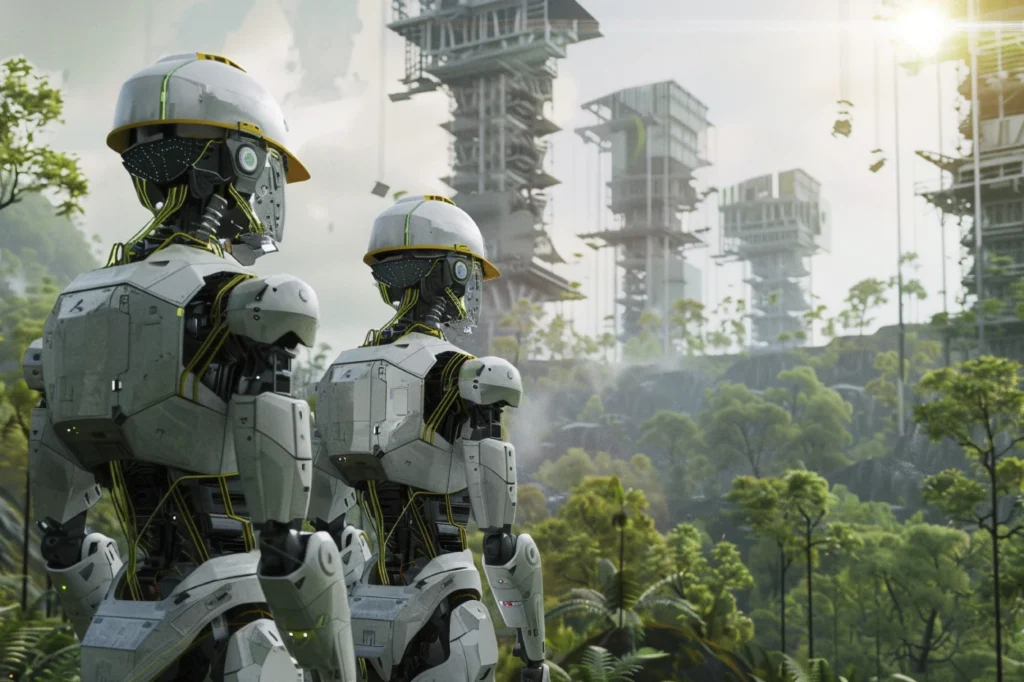
There’s a war going on, but it’s not what you think. Forget about explosions, soldiers, and battleships. This fight’s happening in data centers, labs, and high-level meetings where huge decisions get made. It’s the AI race, and it could be the most important thing happening right now.
For a while, calling it an arms race felt like hype. At worst, it seemed like one country might get better at recommending stuff online than another. But that’s not the case anymore. Now, it’s about weapons that can think for themselves, who dominates the economy, who has better intelligence, and who gets to set the rules down the road. It’s not just tech; it’s about power and our future. And it’s already started.
The Race Began a While Back
Most say things kicked off in 2017 when China announced its plan to become the top AI country by 2030. It was a real goal, backed by money, company cooperation, and a willingness to move fast.
At the time, the U.S. didn’t have a similar plan. Silicon Valley was on top with Google, OpenAI, and Microsoft leading the charge. But private companies don’t work the same way as a government with a clear strategy. America was winning the short game. China was getting ready for the long haul.
Today, the competition is way more intense. The U.S. responded with laws like the CHIPS Act, restrictions on chip exports, and limits on AI investment in certain countries. China has been working even harder on its own chip and AI-model development to be less reliant on the U.S. Meanwhile, Europe’s trying to regulate its way into the game, and countries like India, South Korea, the UAE, and Canada are trying to become AI players, too.
It's Not Just About Tech
Here’s where things get interesting: this isn’t just about who can make the best chatbot. AI is like the railroads, electricity, and nuclear tech of the past. Whoever controls AI controls powerful tools for watching people, planning military moves, predicting the economy, science, and spreading ideas.
Think about the military side. Weapons that can pick and attack targets on their own aren’t just a fantasy anymore. Several countries are working on them. AI can also scan for weaknesses in important systems faster than people can. And it can create fake info at scale, target it precisely, and get it out there before anyone can fact-check it. In war, intel is key. AI makes intel way more powerful.
And then there’s the economy. AI could add billions to the world’s economy, but it won’t be spread out evenly. Countries and companies that are ahead in AI will grab most of the money. Those that don’t might get left behind, and it’ll be hard to catch up.
Some Scary Similarities
History doesn’t repeat itself, but it often rhymes. The nuclear arms race is a good example. Back then, the danger of nuclear weapons forced countries to find ways to avoid war, such as arms control deals and hotlines. We got lucky, and some close calls prove that.
AI is different from nuclear weapons in some ways, it can be used for many things, it’s easy to get, and it’s changing so fast that rules always seem late. But the situation is similar: big countries are racing to be on top, unsure of what might happen.
The fact that countries aren’t really talking about this makes it worse. The U.S. and China aren’t really communicating well on AI risks. There’s no AI version of the Nuclear Non-Proliferation Treaty, and there’s no group that can set standards. Some countries have guidelines, but guidelines aren’t enough without teeth.
The Unknowns
Focusing on just the U.S. and China leaves out important pieces. Companies like OpenAI, Google DeepMind, Anthropic, xAI, and Meta are also playing a big role, sometimes developing systems that are more powerful than what governments can make. When a company’s AI is better than what most countries have, it confuses things.
Also, what happens when AI gets good at improving itself? The question becomes not who’s in charge, but if anyone’s in charge.
Is There a Way Out?
There are some positive signs. The AI Safety Summit in 2023 brought countries together to talk about the risks. Some say the dangers of AI could force countries to be careful, just like nuclear weapons did.
But we need to admit that we haven’t set up the right systems to deal with this. Managing AI requires countries and companies to work together. It also requires moving fast, which isn’t easy for governments.
Whether you call this a digital world war or not is a matter of how you look at it. There are no official declarations of war or dead bodies. But there is a global competition for power using tech with real-world effects, like job losses, nudged elections, and weapons that can fire without human control.