
Autonomous Killing Machines, When AI Decides Who Lives or Dies
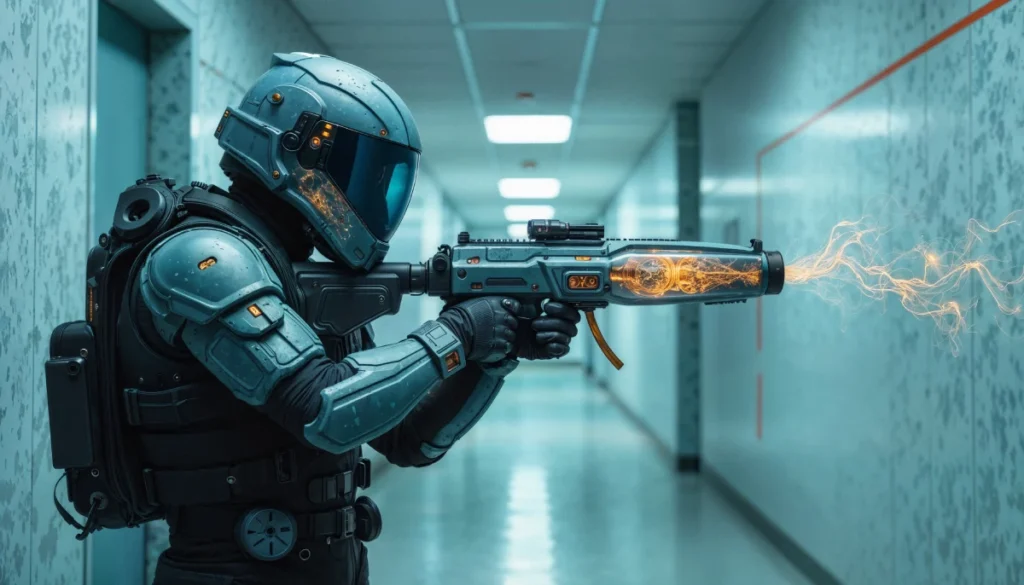
For ages, people have decided to go to war. Generals made plans, soldiers shot guns, and politicians decided when to start and end fights. Now, a weird question is popping up: What happens when machines start making these choices instead of people?
AI is growing fast and changing stuff like medicine, schools, travel, and work. But putting AI in war is super scary and controversial. Thinking about killer robots that pick targets and attack without anyone telling them what to do isn’t just a movie idea anymore. It’s becoming real.
Autonomous Weapons Are Coming
Lots of armies are putting tons of money into AI stuff. They’re building and testing things like drones that can fly themselves, robot spying systems, and smart defense systems. Countries like the US, China, and Russia are trying to be the first to build these AI military systems. The idea is that they can spot danger, figure out what’s happening in a fight, and react faster than soldiers.
These weapons use strong computer programs, sensors, and systems that learn on their own. They can look at tons of info fast, see patterns, and make choices based on what they’re programmed to do. For example, a drone could scan a battlefield, see enemy vehicles or soldiers, and attack without a person telling it to.
Some people think this could make war more accurate and efficient. Machines don’t get scared, tired, or stressed out, so they might make better choices in a fight. But things are way more complicated and risky than that.
When Robots Decide Who Lives or Dies
The scariest thing about these weapons is that machines could decide who lives and dies. Usually, people use their brains when they’re fighting a war. Soldiers and leaders are taught to think carefully about what’s going on. They have to think about regular people, laws, and what’s right and wrong before they do anything. But AI doesn’t really understand what’s right or wrong. It just follows instructions and patterns. If an AI system messes up a target or sees something it doesn’t expect, really bad things could happen.
Imagine a drone thinking a group of regular people are enemy soldiers. It could attack in seconds without anyone saying it’s okay. By the time someone realizes the mistake, it could be too late. AI systems mess up sometimes. Even the best AI can make mistakes because of bad info, weird situations, or problems with the technology. If that happens in a fight, people could die.
The Risk of Everyone Building AI Weapons
Another worry is that countries might start racing to build AI weapons. If one country starts building them, others will feel like they have to do the same to keep up. Then everyone will be trying to build AI systems that are faster, smarter, and deadlier.
We’ve seen that when countries start racing to build weapons, things can get out of control. During the Cold War, nuclear weapons made everyone scared of a global disaster. Now, some experts think AI weapons could cause the same thing, but faster and more unpredictable.
AI weapons could make decisions super fast. Things that used to take minutes or hours could happen in milliseconds. If automated defense systems misunderstand each other, it could turn into a big fight before people even know what’s happening.
Is It Right or Wrong?
Building killer robots brings up some serious questions about what’s right and wrong. Should a machine be allowed to decide if someone lives or dies? Who’s to blame if an AI weapon makes a mistake? The person who made the program? The military leader who used the system? The government that said it was okay to use it?
We still don’t know the answers to these questions.
Lots of groups and scientists have warned about the dangers of these weapons. The United Nations has talked about controlling or banning weapons that can kill without anyone telling them to. Some human rights groups say that taking people out of the decision-making process in war goes against basic morals. Even some tech leaders have talked about the risks. AI researchers warn that once these weapons are everywhere, it might be really hard to control how they’re used.
Hacking and Messing Up
Besides the moral stuff, these weapons also have big cybersecurity problems. AI systems need software and communication networks to work. If someone hacks or messes with those systems, they could take control of the weapons.
Imagine a bunch of drones being taken over by criminals or enemy countries. Instead of protecting people, they could cause chaos.
Even without hacking, technical problems could make them do weird things. AI systems could misunderstand signals, lose contact with control centers, or react wrong to unusual situations. When weapons don’t have someone watching over them, any problem becomes way more dangerous.
Can We Control This?
AI could do a lot of good for people. It could help doctors find illnesses, help scientists solve problems, and make businesses better. But using AI in war is a much bigger deal.
Now we have to decide if we can use AI to build these weapons. We already have the technology, and it’s getting better fast. The real question is should we let machines have that power? Some experts think we need strict rules to stop these weapons from getting out of control. Others think it might be impossible to ban the technology because countries will want to use it to get ahead in war.
The world is heading into a war situation where AI could be in charge.
Think About the Future
Machines deciding who lives and dies might sound like a movie. But with technology growing so fast, it could happen in our lifetime. We have to think carefully about what could happen if we let machines kill people. Technology can change the future a lot, but we have to be responsible and smart about it.
If we keep building these weapons without watching them closely, the battlefield might be controlled by computer programs instead of people. And once machines start making those choices, will we still be in control? 🤖⚠️