
The AI Hacker Revolution: How Artificial Intelligence Is Learning to Break Into Any System in Seconds
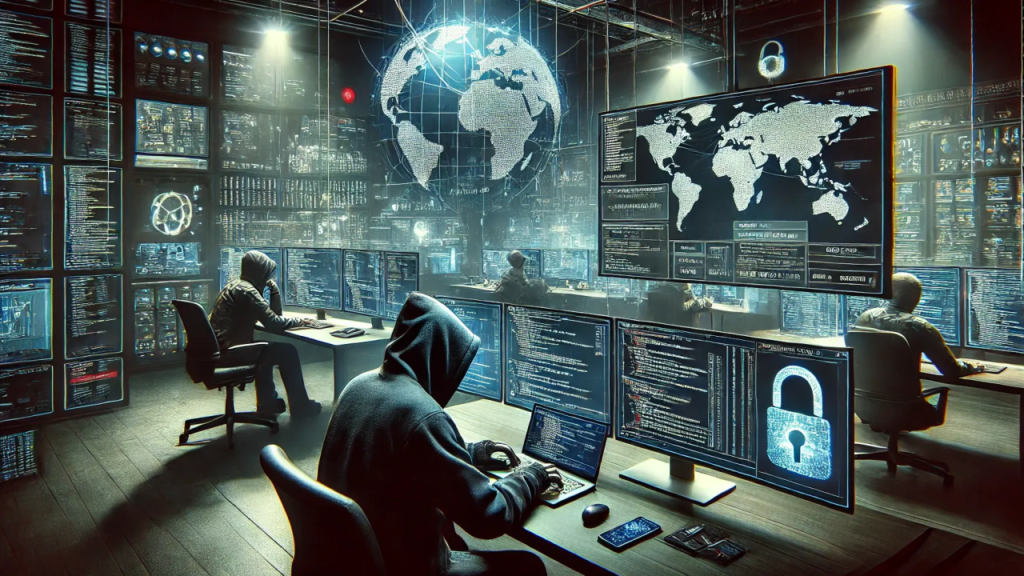
For years, hacking took real patience, know-how, and lots of trial and error. Good hackers had to find weak spots by hand, guess passwords, and figure out complex computer stuff before they could get in. But things are changing fast.
AI is changing pretty much every business—like health, money, transportation, and school. Sadly, it’s also starting to change how cybercrime works. There’s a wave of new hacking tools powered by AI. They can check out systems, find problems, and attack faster than any human could. People who know this stuff are starting to say we might be heading into a time of AI hackers.
From People Doing the Hacking to Smart Machines
One of the easiest ways to get into a system is through social engineering. This means tricking people into giving up info or doing dumb stuff that messes with security. Instead of attacking a computer directly, hackers go after the person using it. Like, a bad guy might pretend to be someone you trust, like a coworker or your bank. By making you feel like you need to act fast or that something’s wrong, they try to get you to share passwords or bank details. These attacks use psychology, not programming.
People tend to trust people in charge, freak out when something’s urgent, and avoid trouble. Hackers know this. A simple email can get around even the best security if you’re not paying attention.
How AI Can Find Problems Right Away
Computer systems often have hidden problems called security issues. These could be in the way the software is written, how the network is set up, or how people log in. Finding these problems used to take a lot of testing by hand. AI can do this automatically.
Algorithms can quickly check thousands of apps, sites, and data, looking for things that might be security flaws.
In just a few seconds, AI systems can find:
- Easy-to-guess passwords
- Old software
- Servers that aren’t set up right
- Software bugs that can be used to cause problems
- Open network spots
- Databases that aren’t protected
Once it finds a weak spot, automated tools can try to use it right away. What used to take a good hacker hours or days now takes seconds.
Phishing Attacks with AI
Phishing attacks are one of the most popular kinds of cybercrime. Crooks send fake emails to trick people into giving up their passwords or bank info. But a lot of these emails are easy to spot because they have typos or sound generic.
AI is making phishing attacks much more believable. AI tools can look at social media, company websites, and what people do online to make really personalized phishing emails.
These emails might include:
- The person’s real name
- Their job
- People they work with or things they’re working on
- Writing that sounds real
- Perfect spelling and grammar
Because these emails look real, people are more likely to trust them. This kind of social trickery driven by AI could really help cyberattacks work better.
Breaking Passwords Automatically
Passwords are still what most people use to protect their online stuff. But people still use weak passwords a lot. Hackers try to break passwords with automated tools. These tools, called brute force attacks, try tons of password combinations.
AI can speed this up.
Machine learning can look at leaked password lists to learn what people do when they make passwords. For example, people often use names, birth years, or simple number patterns. By learning these patterns, AI can guess likely passwords and try them quickly. This makes it easier for hackers to get into accounts that use weak or reused passwords.
Malware That Learns on Its Own
Another scary thing is malware that can adapt. Old-school malware follows instructions from the person who made it. Once security software knows what the malware looks like, it can block it. Malware powered by AI can act differently. Some experimental cyber threats use machine learning to change how they act when they’re found.
For example, malware driven by AI might:
- Change its code to avoid being found
- Change how it communicates
- Hide in normal computer processes
- Learn from attacks that didn’t work
This makes it much harder to find and get rid of. Cybersecurity people worry that malware might start to act like a living thing.
The Cybersecurity Fight
As AI hacking tools get better, cybersecurity people are also using AI to protect systems. Security teams are now using machine learning to find weird stuff happening on networks. These systems watch lots of data to find suspicious things, like strange login attempts or unexpected file transfers. AI can often find attacks faster than people can. This has created a tech fight between attackers and defenders. Hackers use AI to get into systems, while security teams use AI to stop them. Who wins this fight could decide what digital security looks like going forward.
The Danger of Fully Automated Cyberattacks
One of the biggest worries is that cyberattacks could become fully automated. AI systems could scan the internet for weak spots and attack without anyone telling them to. These automated attack networks could hit thousands of systems at once.
Targets could be:
- Banks
- Hospitals
- Government systems
- Power grids
- Communication networks
A really big attack driven by AI could spread fast before anyone can stop it.
Getting Ready for the AI Cyber Threat
Even with these risks, people think there are ways to get ready for AI cyber threats. Companies are spending money on advanced cybersecurity tech, including AI defense systems.
Some key things to do are:
- Always watch systems
- Use strong login systems
- Update security regularly
- Train employees on cybersecurity
- Use advanced tools that find threats
Governments and tech companies are also working together to make cybersecurity rules that everyone can follow. The goal is to stop AI attacks from causing big problems.
A New Time for Digital War
AI is changing cybersecurity in ways no one thought possible just ten years ago. AI could make digital defenses better, but it also gives attackers new tricks. The AI hacker thing isn’t just a possibility—it’s already happening. As machines get smarter, the fight for control of cyberspace is only going to get tougher.