
World War III Won’t Be Fought With Bullets — It Will Be Fought With Algorithms
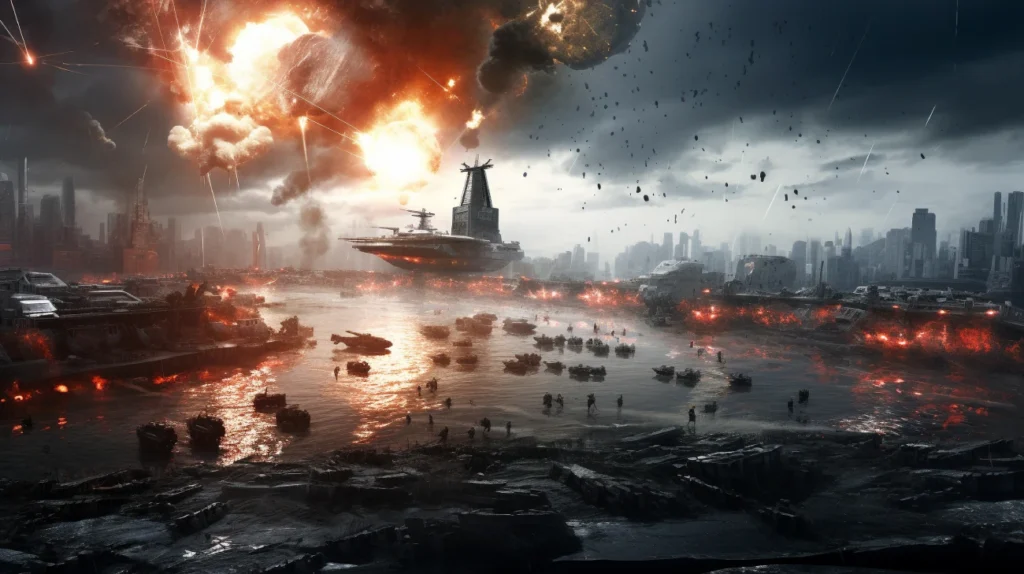
For ages, wars meant swords, guns, tanks – the usual stuff. Soldiers went to battle, and winning was about strength, numbers, and brute force. But things are changing fast. Now, the next big war might be fought with code, some smart AI, and computers.
People are saying that World War III could be super different. Instead of fields, the fight might be in computer networks, satellites, and how we all talk to each other online.
Here’s how code and AI could change future wars:
1. Computer Attacks: Hitting Countries Online
One tough weapon now is hacking. Forget missiles; attackers can mess with important stuff through computers.
What that could look like:
- Hacking into governments.
- Screwing up power and electricity.
- Breaking banks.
- Stopping trains and buses.
- Stealing secrets.
A big hack could stop a whole country without firing a shot.
For example, hackers could close hospitals, airports, or water systems. The result could be panic, money problems, and a mess in hours. Lots of governments are spending money on computer security because they know online attacks can hurt as much as real ones.
2. AI in War Planning
AI is becoming a handy tool for planning and looking at battles.
AI can:
- Look at tons of war info.
- Guess what the enemy will do.
- Test out different battle plans.
- Find weak spots fast.
Unlike people, AI can process info super quick. This lets leaders decide faster and react to danger right away.
Big countries like the US, China, and Russia are putting billions into AI for their militaries. This stuff could end up as digital helpers or even commanders on the battlefield.
3. Weapons That Think and Drone Armies
Now, we’re seeing weapons that can run themselves with little help.
Like:
- AI drones.
- Robot vehicles.
- Spy systems that run on their own.
- Drone armies run by code.
Drone armies are scary. Instead of one drone per person, you could have hundreds or thousands run by one AI. These could beat regular defenses and do complicated stuff really fast.
Because these machines use code, future battles might be run more by software than soldiers.
4. AI Spies
Info is gold in war now. AI can look at satellite pictures, social media, and signals to learn about the enemy.
AI spy systems can:
- Spot sneaky troop movements.
- Watch global chats.
- Track vehicles with satellites.
- Find threats before they strike.
This kind of info gives countries a big edge.
For example, AI could look through millions of satellite photos and find something fishy near borders or bases. This lets governments guess conflicts before they happen.
5. Online Lies and Mind Games
Another strong weapon is messing with information. AI can spread fake news, lies, and deepfakes to change what people think.
Online lies might include:
- Fake videos made by AI.
- Bots on social media spreading lies.
- Fake news stories.
- Fake speeches from leaders.
This can mess up societies, scare people, and change elections or trust in government.
Groups like the UN are worried about the growing use of online tricks in conflicts. In a future war, controlling info might be as important as controlling land.
6. Satellites
We depend on satellites for talking, finding our way, and war stuff.
A lot of military systems use satellites for:
- GPS.
- Talking around the world.
- Spotting missiles.
- Watching the weather.
If these satellites get messed up, military stuff could fall apart.
Cyberattacks or tech that kills satellites could break these systems, messing up navigation, chats, and defenses worldwide. This means future fights could go beyond Earth into space.
7. How Fast Code Wars Are
One of the scariest things about code-based war is how fast it is. Machines are way faster than people. AI can look at threats, decide what to do, and act in milliseconds.
This makes it hard because: People might not have time to step in or stop machine decisions.
For example, defense systems might get the wrong idea and attack before people can check if there’s real danger. This could make things get out of hand fast.
8. The AI Arms Race
As more countries make AI, we might see a new arms race.
Countries will try to make:
- Faster code.
- Smarter AI.
- Better computer defenses.
- More powerful weapons that think for themselves.
This could make things tense between big countries.
Unlike nukes, AI is easier to make and share. This means smaller countries or even groups could get their hands on strong digital weapons. The world’s balance of power might change as tech gets better.
Conclusion
The next big war might not be like the old ones. Instead of soldiers, it might be in data centers and online. Code and AI could be the main weapons.
Tech could make life better, but it also brings new risks. We need to handle it carefully and stop it from causing uncontrollable wars. If future war is about code, not bullets, what we decide today about AI and working together will decide if tech keeps us safe – or starts the next world war.