
Are We Becoming Addicted to AI Without Realizing It?
AI has sneaked into our lives. We use it for searches, emails, photo edits, directions, music picks, and what to binge-watch. It feels normal now, almost like it’s always been here.
But here’s a worrying thought:
Are we getting hooked on AI without even knowing it?
It’s not like other addictions. There’s no substance, no obvious symptoms. It just messes with how we think, work, learn, and decide.
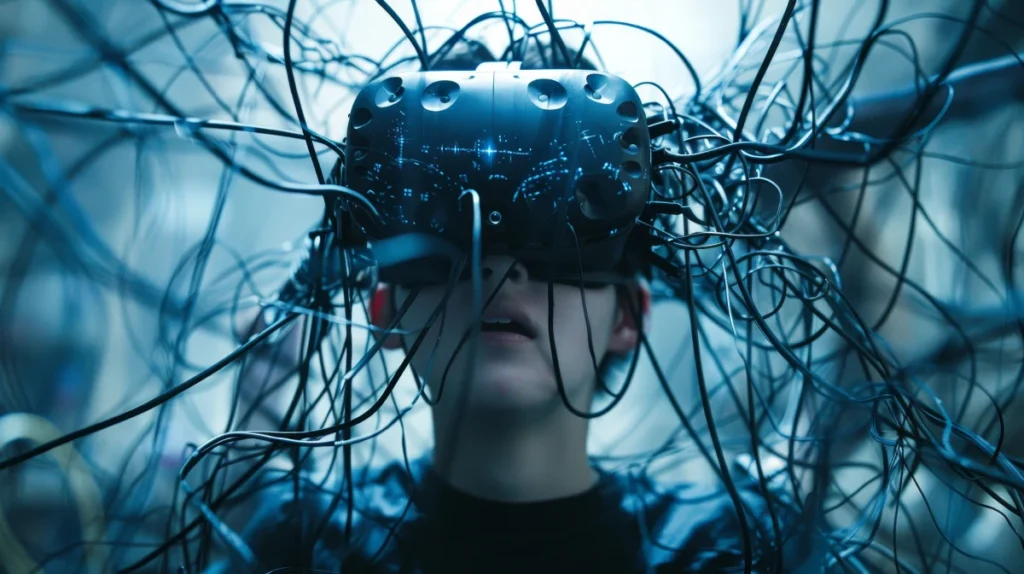
AI's Quiet Takeover
AI doesn’t shout its presence. It just slides in.
- Autocorrect is always fixing spelling.
- Algorithms suggest our content.
- Chatbots answer questions.
- Assistants remind us of to-dos.
- Filters fix our pics automatically.
We stop spotting it. It’s like a helper on standby—always there, always quick.
And where that dependency starts.
Convenience vs. Dependency
Being easy isn’t a bad thing. AI saves us time and effort. The issue is when we can’t manage without it.
Lots of people now:
- Ask AI first, think later
- Make AI write for them, skipping practice
- Let AI solve easy problems
- Feel weird working without AI
If AI is the first thing we use, not the last, that’s a bad sign.
Why AI is Addictive
AI tools are made to be:
- Quick
- Helpful
- Personal
- Satisfying
This makes a loop that feels good, like social media.
Ask → get answer → feel good → repeat.
Brains love feeling good fast. They hate hard work. Thinking hard takes effort—AI cuts that out. So, we can’t be bothered with hard work.
How it Messes with Learning
Education is taking a hit.
Students use AI to:
- Write papers
- Finish homework
- Get ideas
- Summarize stuff
AI can be a good tutor, but too much use leads to:
- Not getting the point
- Bad thinking
- Weak skills
- No new ideas
If answers come quick, you stop wondering. Learning is about grades, not understanding.
Are We Thinking for Ourselves?
We learn by:
- Struggling
- Messing up
- Thinking it over
- Looking around
AI skips most of that.
If we always use AI to:
- Choose our words
- Tell us what to think
- Suggest what to make
We’re going to lose our minds—like not using your muscles.
The big deal isn’t AI getting smart.
It’s us becoming lazy.
Needing AI's Approval
People now need AI in a weird way.
Some people:
- Talk to AI when lonely
- Want approval from chatbots
- Like talking to AI more than people
- Feel good about AI’s nice answers
AI can be nice, but it’s not a real person. Needing it can make you lonely.
Getting Stuff Done or Thinking We Are?
AI makes us feel like we’re on a roll.
Making:
- Reports fast
- Content quick
- Code right away
But speed isn’t everything. It’s about understanding, doing good work, and getting better.
If AI does the thinking, are we really working—or just pushing buttons?
Using it too much can make us:
- Worse at stuff
- Less sure of ourselves
- Not creative
- Bad at making choices
Signs of Too Much AI
You might reply on AI too much if:
- You freak out when it’s down
- You can’t do anything without it
- You never try alone
- You believe it without checking
- You use it for everything
This doesn’t mean AI is evil—just out of balance.
What This Means for the World
Getting hooked on AI can cause:
- Skills to vanish
- Machines doing creative work
- Bad decisions because we trust AI too much
If everyone uses AI too much, we might lose our humanity.
How to Stay Balanced
AI should be a tool, not something we can’t live without.
Here’s how:
- Think, then ask
- Make AI help, don’t take over
- Do things yourself sometimes
- Check AI’s answers
- Avoid using AI all the time
- Take your time thinking
Think work together, not give up
A Warning
AI can be awesome. It can make our lives, schools, and inventions better. But like all tools, we must be smart about it.
The real question isn’t:
Will AI take over?
It’s:
Will we stop thinking?
Last Thoughts
We might already be hooked—not in a crazy way, but in a chill, sneaky way.
AI makes life easy. But becoming smarter comes from work and uncertainty.
The future belongs to people who think for themselves, not people who use AI without thinking.
So, think before you ask AI:
Am I using this—or letting it control me?
The answer will decide the human race. 🤖🧠