
Inside the Dark Web’s Cybercrime Marketplace- Where Hackers Buy Passwords, Bank Accounts, and Digital Identities
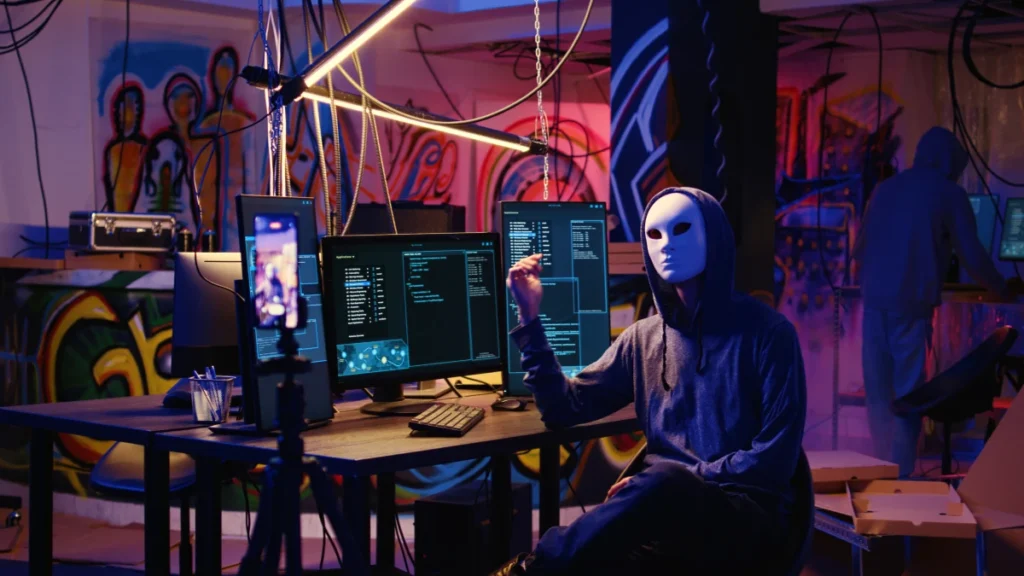
Most people use the internet daily without thinking about what’s beneath the surface. We visit websites, shop online, check social media, and send emails. But beyond the websites we see every day, there’s a hidden part of the internet that many never come across.
This hidden area is often called the dark web.
While some of the dark web is used for privacy and anonymous communication, it’s also a place where cybercriminals trade stolen passwords, bank accounts, personal information, and hacking tools. For these criminals, the dark web is like an online mall—except what’s being bought and sold are stolen digital identities.
What Is the Dark Web?
The dark web is a part of the internet you can’t reach using regular search engines or browsers. Instead, you need special software that lets you browse anonymously. This anonymity makes it hard to track who users are or where they are. The technology was originally meant to protect privacy and free speech, but criminals have taken advantage of it.
Because people can hide their activity, the dark web has turned into a center for illegal actions online. Still, not everything on the dark web is illegal. Journalists, activists, and privacy advocates sometimes use it to communicate safely in places with strict controls. But the cybercrime markets are a big worry for cybersecurity experts.
The Cybercrime Marketplace
Inside the dark web, there are marketplaces that work in much the same way as normal online stores. Sellers post stolen data and hacking tools for sale. Buyers look through the listings, compare prices, read reviews, and make purchases. Some markets even have customer support and offer refunds.
The difference is the products often come from cyberattacks or data breaches. These hidden markets let criminals buy tools that make hacking easier. Instead of stealing data themselves, attackers can just buy it from someone else who already has it.
Stolen Passwords for Sale
One common item sold on dark web marketplaces is databases of passwords. When big companies get hacked, attackers might get millions of usernames and passwords. These are bundled up and sold online. Prices depend on how valuable the accounts are.
For example, social media logins might only cost a few dollars, but access to business or financial accounts can be much pricier. Hackers buy these lists and use automated tools to try the passwords on other websites. Since many people reuse passwords, one stolen password can open several accounts.
Bank Accounts and Credit Cards
Another major type of data sold is financial information.
Criminals sell things like:
- Stolen credit card numbers
- Online banking login credentials
- Payment service accounts
- Cryptocurrency wallet access
Buyers use this info to make fake purchases, withdraw money, or run scams. Sometimes sellers offer full identity packages, which include a person’s name, address, phone number, social security number, and bank info.
Digital Identities for Fraud
Stolen identities are very valuable in cybercrime. With enough personal information, criminals can open bank accounts, apply for loans, create fake companies, or commit tax fraud. They often use these stolen identities to set up many fake accounts that can be used for money laundering or scams. Because this involves real people’s data, victims might not find out until much later.
Hacking Tools as a Service
Along with stolen data, dark web markets sell hacking tools and services. This includes software to crack passwords, attack websites, spread malware, or run phishing scams. Some services even let buyers hire hackers directly.
For example, someone might pay a hacker to break into an email or attack a rival’s website. This approach is often called “Cybercrime-as-a-Service.” It makes it easier for people without technical skills to carry out serious attacks.
Cryptocurrency and Anonymous Payments
Most transactions on the dark web use cryptocurrencies. These digital currencies let buyers and sellers move money without banks.
Although such payments can sometimes be traced, they usually provide more anonymity than regular methods. Some markets use escrow systems where the money is held by the marketplace until the buyer confirms they received what they paid for. This helps build trust in the underground economy.
The Global Impact of Dark Web Cybercrime
The cybercrime happening on the dark web affects millions worldwide. When stolen passwords, financial data, or identities are traded, victims can face serious problems.
These may include:
- Financial losses
- Identity theft
- Fraudulent loans or accounts
- Damage to personal reputation
- Long-term credit problems
Businesses can also be hit hard if their customer data is stolen and sold. Cybercrime costs the global economy billions each year.
Fighting Back Against the Underground Market
Governments and cybersecurity groups work to find and shut down illegal dark web markets. Sometimes law enforcement infiltrates these sites, gathers evidence, and arrests those running them.
But when one market closes, another often opens. This ongoing fight makes it more important than ever for people to stay aware of cybersecurity. Individuals and companies can protect themselves by using strong passwords, enabling two-factor authentication, and watching for suspicious activity.