
Smart Homes Under Attack- How Hackers Can Take Control of Your Cameras, Doors, and Lights Without You Knowing
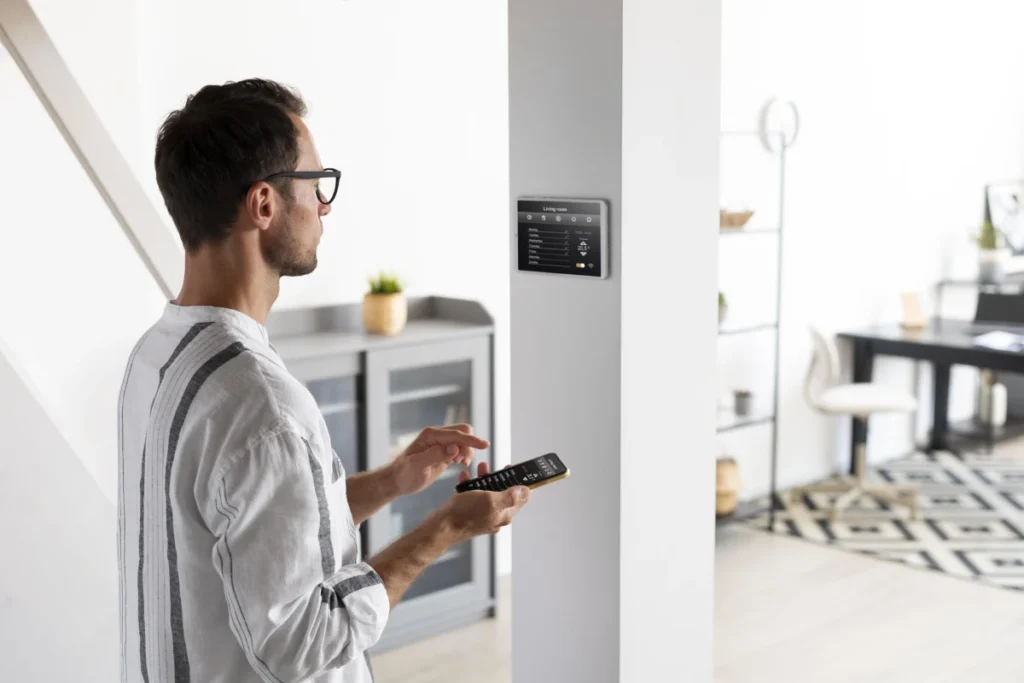
Smart homes used to feel like something out of the future, but now they’re becoming a regular part of life. Many people control their lights, security cameras, door locks, and even appliances with just their smartphones or voice commands. With a few taps on an app, you can switch off lights, check security cameras, or unlock doors from anywhere.
But along with this convenience comes new security risks. Experts warn that if smart devices aren’t properly protected, hackers can target them. If someone gets in, they might watch your home, control your devices, or invade your privacy without you knowing.
How Smart Home Technology Works
Smart homes depend on devices called Internet of Things (IoT) gadgets. These connect to the internet and communicate through your home network.
Some of the most common smart home devices include:
- Smart security cameras
- Video doorbells
- Smart door locks
- Smart lights
- Voice assistants
- Smart TVs
- Thermostats
- Baby monitors
These gadgets make life easier by letting you control things remotely or automate tasks. But every connected device can be a doorway for hackers. Just one vulnerable device can give attackers access to your whole network.
Security Weaknesses Are a Big Problem
One major issue with smart home devices is weak security. Many aim to be easy to set up and use, but that sometimes means they lack strong protection.
For example, some come with default usernames and passwords that a lot of users never change. Hackers can find lists of these default passwords online and use automated tools to try them on thousands of devices. If you haven’t changed the password, an attacker might get in easily. Also, cheaper devices often get very few security updates, leaving known weaknesses open.
When Home Security Cameras Are Hacked
Security cameras are supposed to keep you safe, but if hacked, they can turn into spying tools. There have been cases where hackers accessed home cameras and watched live feeds inside people’s homes. Sometimes they’ve even talked through the camera’s speakers to scare people.
This is especially unsettling because it invades private spaces like living rooms, bedrooms, or kids’ rooms. Most victims don’t realize someone is watching them.
Smart Locks and Home Safety
Smart locks let you unlock doors remotely or give digital keys to family and guests. But if these systems are hacked, the results could be serious. Hackers might unlock your door or disable security features.
While such attacks aren’t very common yet, researchers have shown that some smart locks have weaknesses that hackers could exploit. This shows why it’s important to pick trusted brands and keep your devices updated.
When Everyday Devices Turn Against You
Smart lights, thermostats, and appliances seem harmless, but hackers can sometimes take control of them too.
If they do, they might:
- Turn lights on and off repeatedly
- Change thermostat settings
- Disable alarms
- Mess with your home automation
These might seem like minor annoyances, but they can cause real disruption or discomfort. More importantly, they prove attackers have access to your home network.
The Threat of Botnets
Another concern is botnets. A botnet is a group of infected devices controlled remotely by hackers. If thousands of smart devices get infected, hackers can use them to launch large cyberattacks on websites or services.
Many IoT devices have limited security, making them easy targets. When infected, the devices keep working normally but secretly take part in attacks. Most owners have no clue their devices are compromised.
Weak Wi-Fi and Public Networks
Sometimes the weak link isn’t the device but the home network. If your Wi-Fi is poorly secured, hackers nearby might try to get in. Once inside, they can scan devices for weaknesses. Weak Wi-Fi passwords, old routers, or unencrypted connections make this easier. Using public Wi-Fi to set up devices can also expose you to risks.
How to Keep Your Smart Home Safe
Here are some important safety tips:
- Change default passwords immediately
Always create strong, unique passwords for smart devices. - Keep device software updated
Manufacturers often release security updates that fix vulnerabilities. - Secure your Wi-Fi network
Use strong encryption and a complex password for your router. - Enable two-factor authentication when available
This adds an extra layer of protection. - Buy devices from trusted brands
Reputable manufacturers usually provide better security support. - Turn off devices when not in use
Disconnecting unnecessary devices can reduce exposure.
The Future of Smart Home Security
As smart homes get more popular, companies are working to improve device security. Governments and security groups are also creating standards to make sure products meet minimum safety rules. But both manufacturers and users share the responsibility. You need to remember that every connected device brings some risk.
Balancing Convenience and Security
Smart homes make life simpler by letting you control your environment easily. But the same tech can be abused if security isn’t taken seriously. Hackers are always looking for weak spots. By understanding the risks and following some basic safety steps, you can enjoy smart home benefits without turning your home into a target. Today, keeping your home safe isn’t just about locking doors—it means securing your network too.